

Anxiety often increases at the start of a new year. Expectations rise. Schedules tighten. The nervous system stays on high alert.
But anxiety is not a flaw.
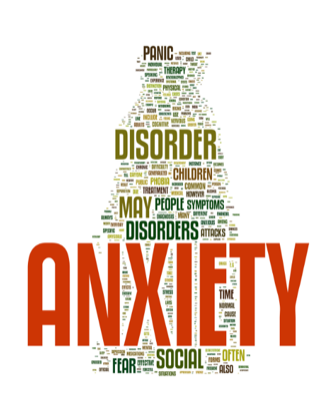
Anxiety is a signal — and signals can be understood, regulated, and treated.
Evidence-based anxiety treatment focuses on nervous system regulation, thought patterns, and supportive care — not willpower or avoidance (NIMH, 2023).

Why Anxiety Increases in January
January anxiety is common and often triggered by:
- Pressure to meet goals
- Disrupted routines
- Financial stress
- Fatigue from the holidays
- Fear of “failing” the new year
Understanding this normalizes symptoms and reduces shame — which is essential for anxiety treatment.
Anxious Thoughts Are Predictions, Not Facts
Common anxiety thoughts include:
- “Something bad will happen.”
- “I can’t handle this.”
- “I’m messing everything up.”
Neuroscience shows anxiety is driven by perceived threat, not actual danger (LeDoux & Pine, 2016).
Ask yourself:
Is this fear factual — or just loud?
This question alone can reduce anxiety’s intensity.
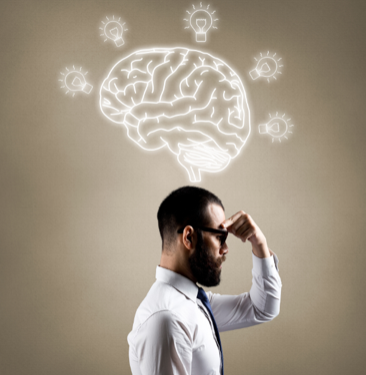
Your Nervous System Needs Safety, Not Perfection
Anxiety improves when the nervous system feels regulated.
Support your nervous system with:
- Consistent sleep
- Balanced nutrition
- Structured routines
- Mindfulness and grounding exercises
- Reduced overstimulation
Research confirms nervous system regulation significantly reduces anxiety symptoms (Porges, 2011).

What Happens When You Stop Fighting Anxiety
Avoidance and resistance amplify anxiety.
Listening to anxiety reveals unmet needs such as:
- Boundaries
- Rest
- Support
- Emotional processing
Acceptance-based therapies reduce anxiety more effectively than suppression (Hayes et al., 2016).
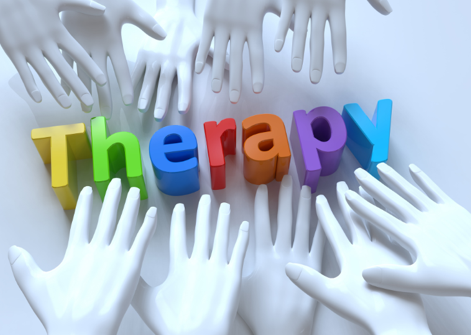
Therapy and Medication Are Evidence-Based Anxiety Treatments
Cognitive Behavioral Therapy and medication are proven treatments for:
- Generalized anxiety disorder
- Panic disorder
- Social anxiety
- Performance anxiety
Medication helps regulate brain chemistry, while therapy rewires thought patterns. Combined treatment often yields the strongest outcomes (NIMH, 2023).
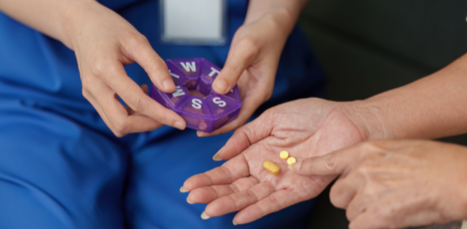
Create an Anxiety-Relief Plan for 2026
A simple structure:
- One thing to stop: overcommitting
- One thing to start: grounding before bed
- One thing to continue: consistent medication
- One thing to ask for: professional support
Predictable plans reduce anxiety by restoring control and clarity (APA, 2023).

You Can Regain Control Over Anxiety
The goal is not to eliminate anxiety — it’s to reduce its power.
With the right support, education, and tools, anxiety becomes manageable instead of overwhelming.
At Prestige Health & Wellness, we provide compassionate, comprehensive evidence-based anxiety treatment for adolescents and adults.
References
American Psychological Association (APA). (2023).
Understanding anxiety and stress-related disorders.
https://www.apa.org/topics/anxiety
Hayes, S. C., Strosahl, K. D., & Wilson, K. G. (2016).
Acceptance and commitment therapy: The process and practice of mindful change (2nd ed.). New York, NY: Guilford Press.
LeDoux, J. E., & Pine, D. S. (2016).
Using neuroscience to help understand fear and anxiety. American Journal of Psychiatry, 173(11), 1083–1093.
https://doi.org/10.1176/appi.ajp.2016.16030353
National Institute of Mental Health (NIMH). (2023).
Anxiety disorders.
https://www.nimh.nih.gov/health/topics/anxiety-disorders
Porges, S. W. (2011).
The polyvagal theory: Neurophysiological foundations of emotions, attachment, communication, and self-regulation. New York, NY: Norton.