• Skip to primary navigation
  • Skip to main content

Recent Posts

  • When Love Hurts: Recognizing Unhealthy Relationship Patterns in Teens
  • The Mind–Heart Connection: How Emotional Health Affects Physical Health
  • Breaking the Silence: Mental Health in the Black Community
  •  Breaking the Cycle of Anxiety: How to Reduce Anxiety and Regain Control in the New Year
  • New Year, Real You: A Sustainable Mental Health Reset That Lasts
Prestige Header logo

Prestige Health and Wellness, Tampa

Where Your Health Matters

  • Home
  • About Us
  • Services
    • Psychiatry
    • Spravato Treatment
    • Qbtech ADHD testing
    • Medical Weight Loss
  • Patient Portal
  • Resources
    • Blogs
  • Contact Us

Weight Loss

Why January Is the Perfect Time to Start Your Weight-Loss Journey (Without Pressure or Perfection)

January 4, 2026 by Dr Louis

January is loud.

New year, new you.
Start over.
Fix everything.

The messaging around weight loss in January can feel overwhelming, restrictive, and unrealistic.

At Prestige Health & Wellness, we believe something different.

January isn’t about reinventing yourself — it’s about realigning with yourself.
Your body. Your health. Your life.

If medical weight loss is one of your goals this year, the most important thing to know is this:
You don’t need perfection. You need support, strategy, and sustainability.

Why Starting Weight Loss Now Matters

Many people delay their weight loss journey by saying:

  • “I’ll start next month.”
  • “I’ll wait until life calms down.”
  • “I’ll do it when I feel motivated.”

But research — and experience — consistently show that:

👉 Motivation follows action, not the other way around.

Starting weight loss in January doesn’t mean extreme dieting or punishment. It means taking one intentional step toward better metabolic health, improved energy, and long-term wellness — instead of postponing your health yet again.

This is the foundation of sustainable weight loss.
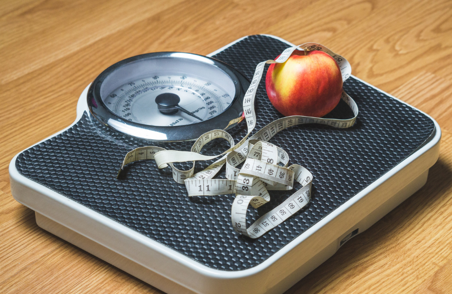
Weight Loss Is Not About Willpower

One of the biggest myths in diet culture is that weight loss is about discipline alone. In reality, obesity is a chronic, biologically driven condition, not a personal failure.

Weight regulation is influenced by:

  • Hormones
  • Metabolism
  • Stress response
  • Sleep quality
  • Mental health
  • Medications
  • Genetics

This is why weight loss without dieting alone often requires medical support. The body actively resists weight loss through hormonal signals designed to preserve energy (WHO, 2023; Hall et al., 2012).

If weight loss has felt frustrating or short-lived in the past, it does not mean you failed. It means your biology needed a different approach.

How Medical Weight Loss Supports the Body

This is where medically supervised weight loss programs can be life-changing for the right patient.

Medications like Wegovy (semaglutide) help address the biological factors of weight by:

  • Regulating appetite signaling
  • Reducing cravings and food noise
  • Improving blood sugar control
  • Supporting long-term chronic weight management

Clinical trials show that semaglutide (Wegovy, Ozempic) for weight loss leads to significant, sustained results when combined with supportive care — not restriction or shame (Wilding et al., 2021; Rubino et al., 2021).

For many patients, this allows their body to finally work with them, not against them.

Ask Better Questions This Year

Instead of asking:
“How fast can I lose weight?”

Try asking:

  • How can I feel better in my body?
  • How can I improve my energy and confidence?
  • How can I create habits I can actually maintain?

Sustainable weight loss often includes:

  • Fewer cravings
  • Better portion awareness
  • Improved metabolic and blood sugar health
  • More energy
  • Less guilt around food
  • A healthier relationship with eating

This approach supports weight loss without shame — and leads to better outcomes.

You Don’t Have to Do This Alone

Weight loss can feel isolating, especially after past attempts. Research shows that stigma and shame often prevent people from seeking care — despite evidence that supportive, patient-centered weight loss support improves results (Puhl & Heuer, 2009).

At Prestige Health & Wellness, our approach to medical weight loss is:

  • Judgment-free
  • Supportive
  • Individualized
  • Focused on both physical and mental health

We believe healing happens when you are seen, heard, and supported.

January Isn’t About Becoming Someone Else

It’s about choosing yourself — one decision at a time.

If you’ve been wondering “Is Wegovy right for me?” or exploring weight loss options beyond diet and exercise, January is a powerful place to begin.

Your health doesn’t need to wait until February.

Your weight loss journey starts when you decide to begin.
And January is the perfect time.

References

  • Hall, K. D., et al. (2012). Energy balance and its components: Implications for body weight regulation. American Journal of Clinical Nutrition, 95(4), 989–994.
  • Puhl, R. M., & Heuer, C. A. (2009). The stigma of obesity. Obesity, 17(5), 941–964.
  • Rubino, D., et al. (2021). Effect of continued weekly semaglutide on weight loss maintenance. JAMA, 325(14), 1414–1425.
  • Sumithran, P., & Proietto, J. (2013). The defence of body weight: A physiological basis for weight regain after weight loss. Clinical Science, 124(4), 231–241.
  • Wilding, J. P. H., et al. (2021). Once-weekly semaglutide in adults with overweight or obesity. New England Journal of Medicine, 384, 989–1002.
  • World Health Organization. (2023). Obesity and overweight.
    https://www.who.int/news-room/fact-sheets/detail/obesity-and-overweight

Filed Under: Weight Loss

Breaking the Weight Stigma: A New Perspective on Health and Body Diversity in 2024

January 2, 2024 by Dr Louis

As we embrace 2024, the conversation around weight and health is evolving. Gone are the days when body weight was the sole indicator of health. In Tampa, a city bustling with diverse lifestyles, there’s a growing awareness about the detrimental effects of weight stigma and a shift towards a more inclusive perspective on health and body diversity. This blog delves into the complex world of weight stigma, exploring its impact on health, understanding weight bias, and unearthing ways to combat these societal challenges. Whether you’re considering medical weight loss services in Tampa or seeking to understand the nuances of body weight perception, this post aims to enlighten and guide you towards a more compassionate and informed viewpoint.

Weight Stigma-Title

1. Understanding Weight Stigma and Its Health Impacts

  • Weight Stigma and Health: Weight stigma, the societal disapproval or judgment based on a person’s body weight, significantly impacts both physical and mental health. In Tampa, where wellness is a growing concern, understanding this stigma is vital. The cruel impact of weight stigma includes increased risk of depression, anxiety, and body dissatisfaction, often leading to unhealthy eating behaviors and avoidance of physical activity.
  • Perception and Impact on Daily Life: The perception of weight stigma extends beyond just the individual; it permeates through societal interactions and self-esteem. It can manifest in various forms, from derogatory comments to discrimination in the workplace or healthcare settings. This not only affects the emotional wellbeing of individuals but also hinders their access to quality healthcare and support, essential for effective weight management.
  • Weight Stigma in Healthcare: In healthcare settings, weight bias – the preconceived notions and judgments about individuals based on their weight – can lead to suboptimal care. An example includes attributing all health issues to a patient’s weight without thorough examination, leading to missed or delayed diagnoses.

2. Weight Stigma vs. Weight Bias: Clarifying the Concepts

Understanding the distinction between weight stigma and weight bias is crucial in addressing these issues effectively.

  • Defining Weight Stigma and Weight Bias: Weight stigma refers to the societal stereotypes and discrimination based on a person’s weight. Weight bias, on the other hand, is the inclination to form unjustified judgments about a person’s abilities, character, or health solely based on their weight.
  • Examples in Everyday Life: An example of weight stigma might be a person being ridiculed or excluded in social situations due to their weight. Weight bias, in contrast, is evident when a doctor assumes a patient’s health issues are weight-related without conducting proper assessments.
  • Weight Bias in Healthcare: In healthcare, this bias can have serious implications. For instance, a medical professional might overlook serious symptoms, attributing them solely to a patient’s weight, leading to delayed diagnosis and treatment. This is a pervasive issue that calls for increased awareness and training among healthcare providers in Tampa and beyond.

In Tampa, where the demand for medical weight loss services is rising, it’s essential for weight loss clinics to actively work against both weight stigma and bias, ensuring fair and compassionate care for all patients. By distinguishing between these two concepts, we can better understand their individual and collective impacts on society and work towards a more inclusive and equitable approach to health and body diversity.

3. Causes and Perceptions of Weight Stigma

The roots of weight stigma are deeply embedded in societal norms and media portrayals that often glorify certain body types while marginalizing others. This bias is perpetuated through advertising, television shows, and social media, where unrealistic body standards are frequently promoted.

  • Body Weight Perception: Body weight perception is influenced by these societal standards, leading many to feel inadequate if their bodies don’t align with these idealized images. In Tampa, as in many places, this can create a challenging environment for those seeking medical weight loss or struggling with body image issues.
  • Gender Differences in Weight Stigma: Research indicates that weight stigma can vary by gender. Women, in particular, often face harsher judgment and discrimination based on their weight compared to men. This difference is important to acknowledge as it affects how individuals experience and internalize weight stigma.

Understanding these underlying causes and perceptions is crucial in creating a more inclusive and stigma-free society. It allows for a better approach to medical weight loss, ensuring that everyone, regardless of gender, receives empathetic and effective care.

4. Obesity: Understanding Risks, Causes, and Weight Issues

Risks and Causes of Obesity: Obesity is a complex condition with multiple risk factors, including genetics, lifestyle choices, and environmental factors. Key risk factors include poor diet, lack of physical activity, and certain medical conditions. Obesity is not just about weight; it’s about the health implications associated with excessive body fat, such as increased risk of heart disease, diabetes, and certain cancers.

Weight and Health: The relationship between weight and health is intricate. While obesity can lead to various health issues, it’s important to understand that weight alone is not the sole indicator of health. Stress, for example, can both contribute to weight gain and result from the societal pressure to maintain a certain body weight.

Psychological Aspects and Real Body Weight: Weight issues are often intertwined with psychological factors. The perception of one’s body weight can significantly impact mental health, leading to issues like body dysmorphia or eating disorders. Understanding and acknowledging real body weight versus perceived body weight is crucial in addressing these issues effectively.

5. Combating Weight Stigma: Actions and Mindset Changes

To effectively combat weight stigma, a multi-faceted approach is necessary. This includes increasing public awareness about the harmful effects of weight stigma and promoting a culture of inclusivity and respect for all body types.

  • Improving Personal and Societal Weight Bias: Individual efforts can play a significant role in diminishing weight bias. This includes challenging our own perceptions and biases about weight, and actively speaking against weight-based discrimination. Education and open dialogue are key in changing societal attitudes.
  • Key to Healthy Body Weight: The key to maintaining a healthy body weight lies in a balanced approach that encompasses diet, exercise, and mental health. It’s not about achieving an ideal weight, but rather focusing on overall health and wellbeing.
  • Gender and Weight Management: Understanding that weight management experiences can differ based on gender is important. For example, hormonal differences mean that females and males may gain or lose weight differently, and these nuances should be recognized in weight loss programs.

In summary, breaking the weight stigma in 2024 requires a comprehensive understanding of its causes, impacts, and the steps we can take to diminish it. From the streets of Tampa to our personal lives, embracing body diversity and challenging our perceptions can lead to a healthier, more inclusive society. Whether through medical weight loss services or personal wellness journeys, it’s time to shift our focus from weight to overall health and wellbeing. Let’s make 2024 a year of positive change, breaking down barriers and building a community where everyone is respected and supported in their health goals.

As we close this discussion on breaking the weight stigma, it’s important to remember that change starts with action. If you’re in Tampa and seeking support in your journey towards a healthier weight and lifestyle, consider exploring the options available at local medical weight loss clinics. Reach out to professionals who understand the complexities of weight management and are committed to providing compassionate and individualized care. Let’s take the first step together towards a healthier future.

Contact for Professional Support:

  • Call or Text: +1 813-252-0171
  • Email: info@yourprestigehealth.com
  • Visit our Website: www.yourprestigehealth.com
  • Our Address: 10013 Water Works Ln, Riverview, FL 33578, United States

By connecting with experts in medical weight loss in Tampa, you can embark on a journey that not only focuses on physical well-being but also acknowledges the importance of mental health in achieving and maintaining a healthy body weight. Join us in transforming the narrative around weight and health, and be a part of a supportive community that champions wellness for all.

Filed Under: Blog, Weight Loss