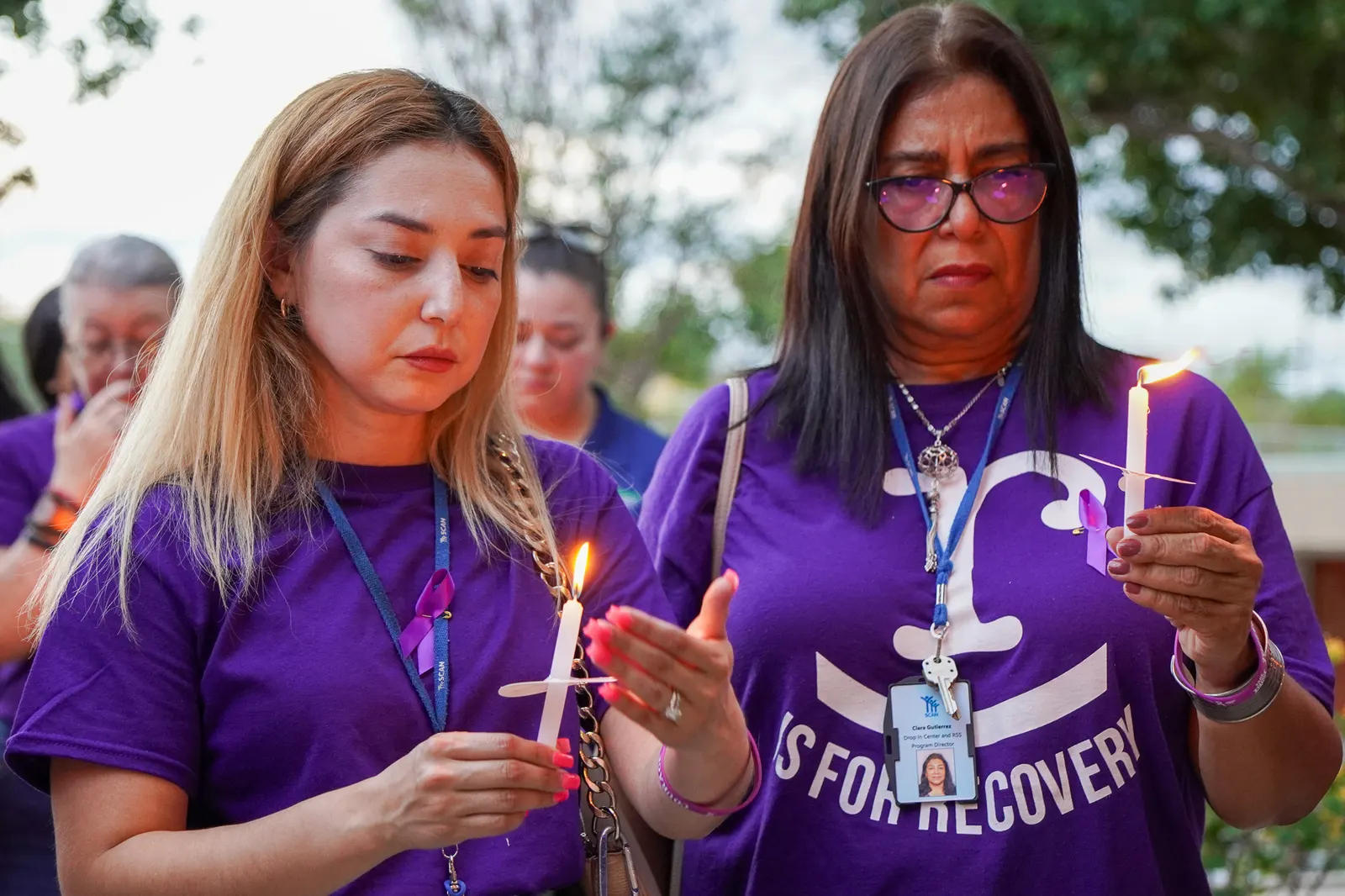
Every August 31, communities around the world mark International Overdose Awareness Day. It is a day to remember the people we’ve lost, to acknowledge the families still grieving them, and to say plainly that these deaths are preventable.
This year, there is something genuinely hopeful to say alongside the grief.
The numbers are moving in the right direction
Provisional CDC data show an estimated 69,973 drug overdose deaths in the United States in 2025 — a decline of nearly 14% from 81,313 the year before, and the third consecutive annual drop (CDC/NCHS, 2026). Deaths are now at their lowest level since 2019, down from a peak of roughly 110,000 in 2022. Deaths involving opioids fell from an estimated 55,296 to 44,564 in a single year. Declines appeared across opioids, cocaine, and stimulants, and nearly every state improved.
Public health experts credit a combination of factors: wider availability of naloxone, expanded access to medications for opioid use disorder, and changes in the illicit drug supply.
That progress is real, and it is worth naming. It is also incomplete. Roughly 70,000 people still died last year. Overdose remains a leading cause of death for Americans aged 18 to 44. And roughly 4 in 5 people who needed substance use treatment did not receive it (SAMHSA, 2025).
Which brings us to the part of this that is our work.
Mental health and substance use are the same conversation
In our practice, we rarely see a substance use problem sitting by itself. Far more often it is tangled up with something else — untreated depression, panic attacks, PTSD, ADHD, bipolar disorder, chronic pain, insomnia, or grief that never had anywhere to go.
People are usually not chasing a high. They are trying to make something stop.
That matters clinically, because treating one condition and ignoring the other tends not to hold. Integrated care — where the mood disorder and the substance use are addressed by the same team, at the same time — produces better outcomes than treating either in isolation.
It also matters personally, because it reframes the question. “Why can’t they just stop?” becomes “What is this doing for them, and what would have to be in place before they could put it down?”
Four things any of us can do
- Carry naloxone. Naloxone (Narcan) is available over the counter without a prescription and reverses an opioid overdose within minutes. Many Florida pharmacies dispense it under a statewide standing order, often at no cost through local health department and harm reduction programs. Keep it where you keep a first aid kit. You do not need to know anyone who uses drugs to carry it.
- Know the signs and call 911. Slow or stopped breathing, blue or gray lips and fingertips, pinpoint pupils, and unresponsiveness are an emergency. Give naloxone, call 911, and stay. Florida’s Good Samaritan law provides protection from certain drug possession charges for people who seek medical help for an overdose.
- Change the words. “Person with a substance use disorder” instead of “addict.” “Testing positive” instead of “dirty.” Research shows that stigmatizing language measurably changes how clinicians judge and treat patients — and it changes whether people ask for help at all.
- Say the person’s name. Families bereaved by overdose often describe a grief that no one acknowledges. Casseroles don’t arrive. People change the subject. If you know someone who has lost a child, a sibling, or a partner this way, mention them by name. It is almost always a relief.
If you are the one struggling
You do not have to hit a bottom to be eligible for help. You do not have to be ready to quit everything today. Wanting to sleep, wanting the panic to stop, or wanting to drink less on weekdays are all legitimate reasons to make an appointment.
Effective treatment exists, including medications for opioid and alcohol use disorder that substantially reduce the risk of death. Reaching out is not a confession. It is a medical appointment.
Get help nowSAMHSA National Helpline: 1-800-662-HELP (4357) — free, confidential, 24/7, in English and Spanish988 Suicide & Crisis Lifeline: call or text 988Florida 211: dial 211 for local treatment, housing, and naloxone resourcesIn an emergency, call 911.
On August 31
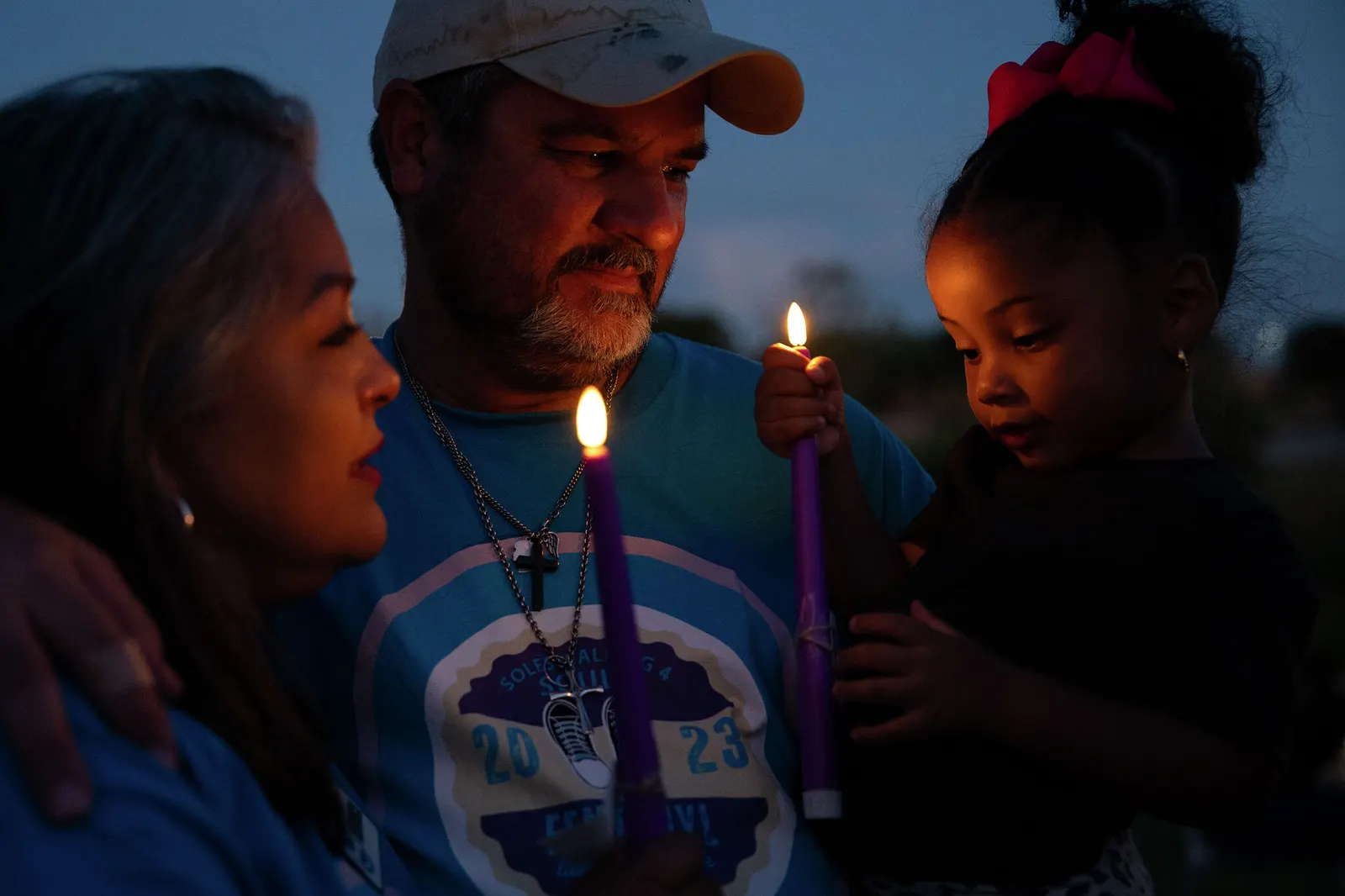
Wear purple if you like. Light a candle. Attend a local vigil. But if you do one thing this year, make it the practical one: put naloxone in your bag, and check on the person you’ve been meaning to check on.
The people we lost were not statistics, and the people still here are not lost causes.
Care at Prestige Health & Wellness
If you are dealing with depression, anxiety, trauma, or grief alongside substance use — or you are the family member holding it all together — our team offers psychiatric evaluation, medication management, and therapy at our Tampa and Lakeland offices. We treat the whole picture, without judgment.
Tampa: 813-252-0171 | Lakeland: 863-250-0240
Book online: https://yourprestigehealth.com
References
Centers for Disease Control and Prevention, National Center for Health Statistics. (2026, May 13). U.S. overdose deaths decrease for third consecutive year in 2025 [Press release]. https://www.cdc.gov/nchs/pressroom/releases/20260513.html
Centers for Disease Control and Prevention. (2026). Drug overdose: Facts and statistics. https://www.cdc.gov/overdose-prevention/data-research/facts-stats/index.html
Substance Abuse and Mental Health Services Administration. (2025). Key substance use and mental health indicators in the United States: Results from the 2024 National Survey on Drug Use and Health.