
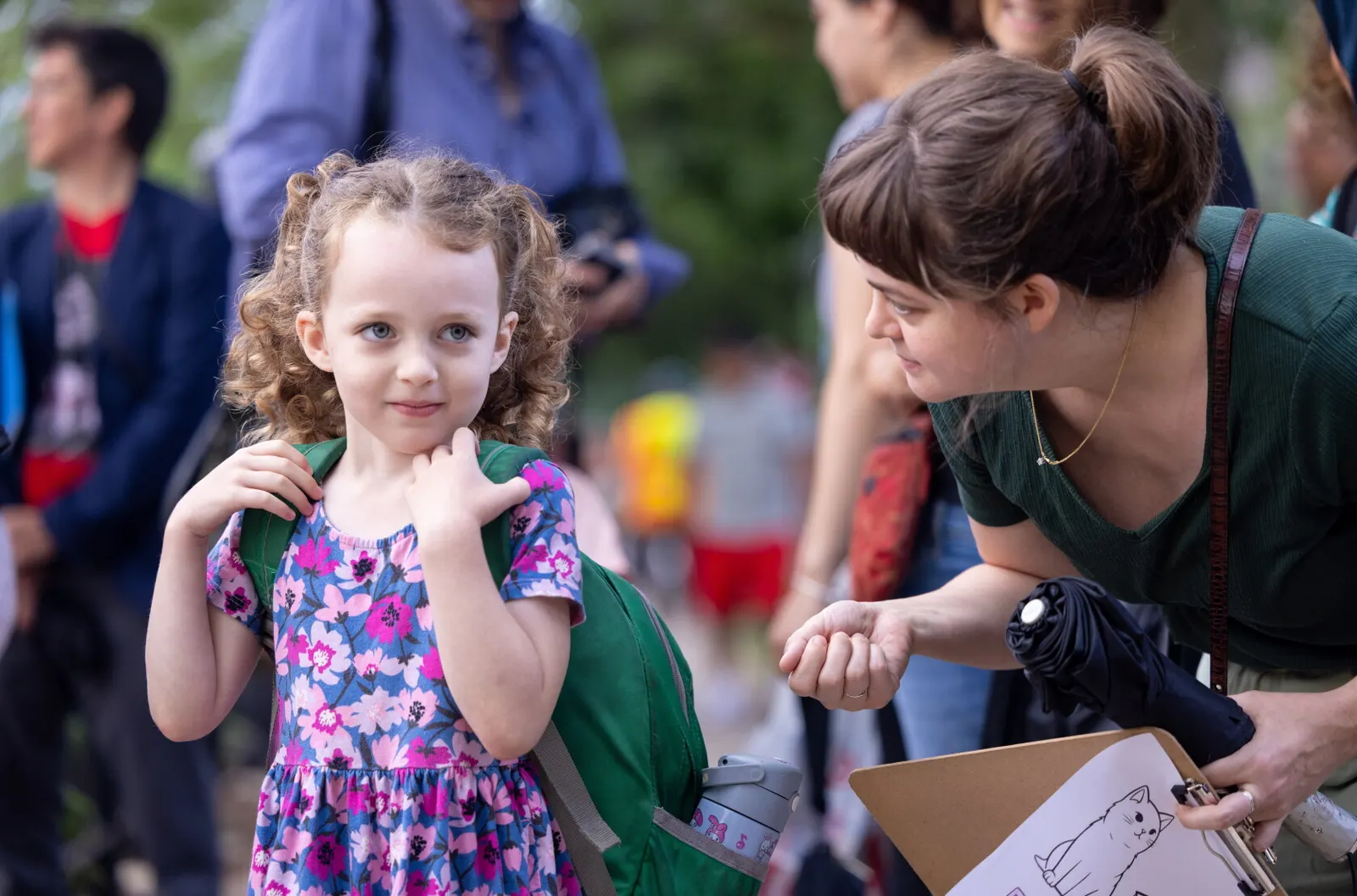
As families across the country prepare for a new school year, many children are feeling excited about seeing friends, meeting new teachers, and starting fresh. But for others, back-to-school brings worry, fear, and overwhelming stress.
Children living with anxiety, ADHD, depression, learning differences, or the effects of bullying often face challenges that aren’t visible from the outside. While many students are picking out school supplies and new clothes, others are wondering if they’ll fit in, keep up academically, or make it through the day without feeling overwhelmed.
Mental health conditions in children are common
Current estimates are that 13–20% of U.S. children have a mental, emotional, or behavioral disorder, with another 19% experiencing problems that cause real distress or impairment without meeting full diagnostic criteria (Weitzman et al., 2025). Longitudinal research has found that more than one-third of children will meet criteria for at least one psychiatric disorder by age 16 (Costello et al., 2003). Anxiety, ADHD, and mood disorders continue to rise, yet many children still do not receive the care they need.
The good news is that early support makes a difference.
Start by making it safe to talk
Parents, teachers, and caregivers can help by creating an environment where children feel safe talking about their feelings. Listening without judgment, validating their experiences, and asking open-ended questions can encourage children to speak up before problems become crises.
A few small shifts that tend to get more honest answers:
- Ask sideways. Conversations often go better in the car, on a walk, or while doing something with your hands than they do face-to-face at the kitchen table.
- Trade “How was school?” for something specific. “Who did you sit with at lunch?” or “What was the hardest part of today?” gives a child somewhere to start.
- Resist fixing it right away. Reflecting back what you heard — “that sounds really lonely” — usually keeps a child talking longer than advice does.
- Protect sleep and routine. Start shifting bedtimes back a week or two before school begins. Sleep loss makes anxiety, irritability, and attention problems noticeably worse.

Signs a child may be struggling
Watch for changes that last more than a couple of weeks or that interfere with school, friendships, or family life:
- Frequent worry or excessive fears
- Changes in mood or behavior
- Difficulty concentrating or completing schoolwork
- Withdrawing from friends or activities
- Changes in sleep or appetite
- Frequent headaches or stomachaches without a clear medical cause
- School refusal, or repeated visits to the school nurse
- Talking about feeling hopeless or worthless
If you notice these signs, don’t ignore them. Talk with your child’s pediatrician, school counselor, or a licensed mental health professional. Evidence-based treatments — including therapy, school supports, and medication when appropriate — can significantly improve a child’s quality of life and long-term outcomes.
If your child talks about wanting to die, hurting themselves, or feeling like a burden, take it seriously and act the same day.Call or text 988 (Suicide & Crisis Lifeline), available 24/7 for both children and the adults who care for them. In an emergency, call 911 or go to the nearest emergency department.
Why early help matters
When mental health conditions go untreated, they can affect every part of a child’s life, including academic performance, friendships, physical health, and emotional well-being. These effects can continue into adulthood, increasing the risk of depression, substance use, unemployment, and other health problems. Early intervention helps children build resilience, develop healthy coping skills, and reach their full potential.
Teaching compassion is part of the work
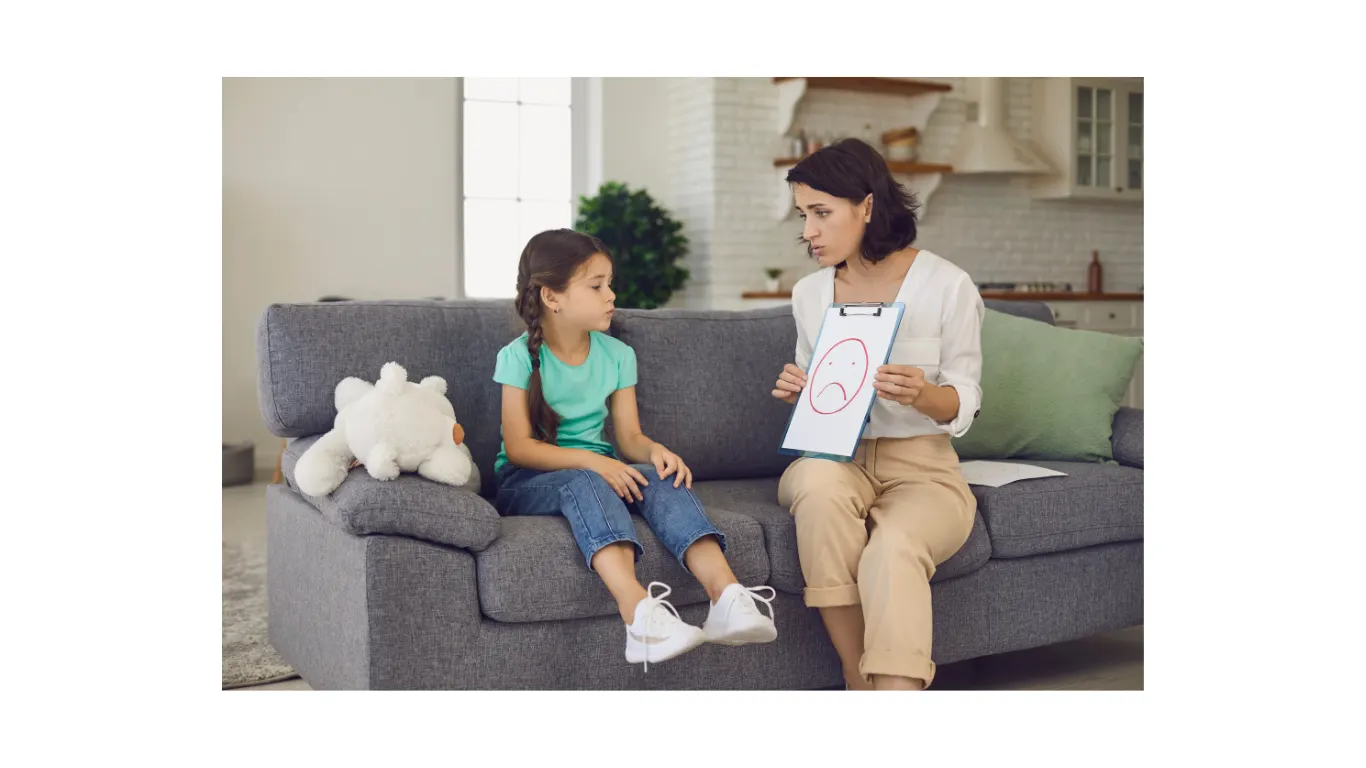
As adults, we also have an opportunity to model empathy. Every classroom includes children who are fighting battles their classmates may never see. Encouraging kindness, including others, and speaking openly about mental health helps reduce stigma and reminds children that asking for help is a sign of strength — not weakness.
This school year, let’s remember that success isn’t measured only by grades or test scores. It’s also measured by whether children feel safe, supported, connected, and understood.
By listening to our children, advocating for their needs, partnering with schools, and seeking help when needed, we can give them the best chance to thrive — both in the classroom and beyond.
Let’s make this a school year where every child knows they matter, every child feels seen, and every child knows it’s okay to ask for help.
Care at Prestige Health & Wellness
If your child or teen is struggling with anxiety, attention, mood, or the transition back to school, our team provides evaluation, therapy, and medication management for children, adolescents, and adults at our Tampa and Lakeland offices. You don’t need to wait until things reach a crisis to reach out.
Tampa: 813-252-0171 | Lakeland: 863-250-0240
Book online: https://yourprestigehealth.com
References
Costello, E. J., Mustillo, S., Erkanli, A., Keeler, G., & Angold, A. (2003). Prevalence and development of psychiatric disorders in childhood and adolescence. Archives of General Psychiatry, 60(8), 837–844. https://doi.org/10.1001/archpsyc.60.8.837
Weitzman, C., Guevara, J., Curtin, M., Macias, M., AAP Section on Developmental and Behavioral Pediatrics, AAP Council on Early Childhood, AAP Committee on Psychosocial Aspects of Child and Family Health, & Society for Developmental and Behavioral Pediatrics. (2025). Promoting optimal development: Screening for mental health, emotional, and behavioral problems: Clinical report. Pediatrics, 156(3), e2025073172. https://doi.org/10.1542/peds.2025-073172