Teen Dating Violence Awareness Month
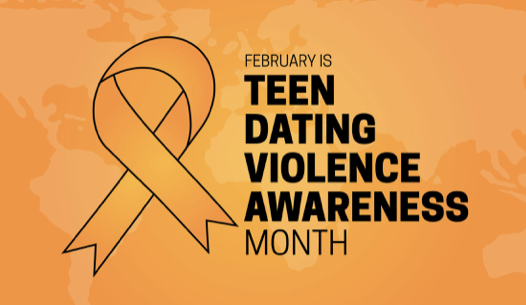
Teen relationships play a major role in emotional development, identity formation, and self-esteem. While many teen relationships are healthy and supportive, others involve patterns of control, manipulation, or abuse that can seriously impact mental health (Centers for Disease Control and Prevention [CDC], 2023). Teen dating violence does not always involve physical harm. Emotional, psychological, and digital abuse can be just as damaging.
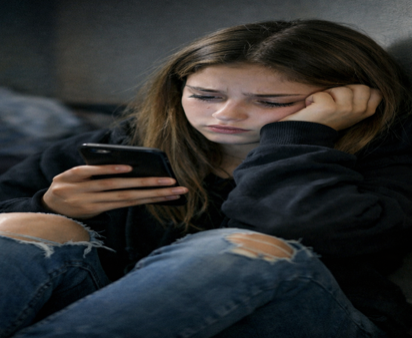
Warning Signs of Unhealthy Teen Relationships
• Extreme jealousy or possessiveness
• Constant monitoring of phone or social media
• Isolation from friends and family
• Insults, humiliation, or name-calling
• Threats of self-harm if the relationship ends
• Pressure around sexual activity
Mental Health Effects
• Anxiety
• Depression
• Low self-esteem
• Sleep disturbances
• Trauma symptoms
• Academic decline
Longitudinal research shows that teen dating violence is associated with long-term mental and physical health consequences (Exner-Cortens et al., 2013).

What Healthy Relationships Look Like
• Mutual respect
• Open communication
• Trust
• Healthy boundaries
• Support for individuality
Parents Should Notice
- Sudden behavior changes (withdrawal, anger, irritability)
- Frequent disciplinary issues
- Declining academic performance
- Threats, violent talk, or fascination with weapons
- Unexplained injuries or damaged belongings
- Increased isolation or hopelessness
How Parents Can Help
• Create a safe, nonjudgmental space for conversation
• Ask open-ended questions
• Listen more than you lecture
• Take concerns seriously and validate feelings
When to Seek Professional Support
If a teen shows mood changes, withdrawal, anxiety, depression, or distress related to relationships, a mental health evaluation can be helpful. Early intervention can reduce long-term impact.
Prestige Health & Wellness provides adolescent psychiatric evaluations, medication management, and trauma-informed care.
Schedule an appointment: https://www.yourprestigehealth.comReferences
Centers for Disease Control and Prevention. (2023). Teen dating violence. https://www.cdc.gov/violenceprevention/intimatepartnerviolence/teendatingviolence.html
Exner-Cortens, D., Eckenrode, J., & Rothman, E. (2013). Longitudinal associations between teen dating violence victimization and adverse health outcomes. Journal of Adolescent Health, 55(1), 90–97.